Common problems with corporate flower subscriptions in Welling
Posted on 28/10/2026
Corporate flowers can make a reception feel polished, lift a meeting room, and quietly tell clients that the business pays attention to detail. But anyone who has managed a subscription for an office, salon, clinic, hotel, or shared workspace in Welling will know the story can be a bit more complicated. The most common problems with corporate flower subscriptions in Welling are usually not about the flowers themselves. They're about timing, consistency, communication, and expectations that never quite match reality.
This guide breaks down the practical issues businesses run into, why they happen, and how to reduce the hassle before it starts. If you're comparing options, dealing with recurring delivery problems, or simply trying to decide whether a subscription is worth it, this should give you a much clearer picture. And yes, a well-run flower plan can still be worth it. It just needs the right structure.
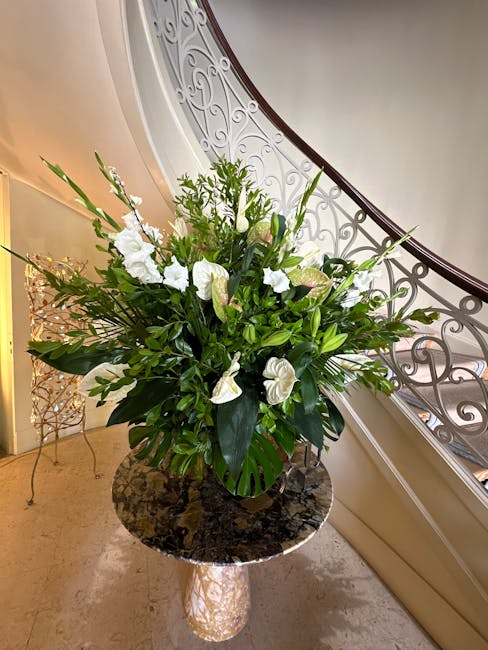
Why common problems with corporate flower subscriptions in Welling matter
At first glance, a flower subscription sounds simple: fresh arrangements arrive on a schedule, the workplace looks better, and nobody has to think about it too much. In practice, that "set and forget" promise can go wrong in small but annoying ways. A late delivery on a Monday morning. A bouquet that looked stunning online but arrives half open. A vase that doesn't fit the reception desk. One of those problems is manageable. Three or four of them, repeated every month, start to feel like a waste of money.
In Welling, where businesses often run on tight routines and limited front-of-house space, those little disruptions matter more than people expect. If a florist arrives while clients are checking in, or flowers need to be moved out of the way for a meeting, the decorative benefit starts to shrink. And if you're paying for a subscription across multiple sites, the admin can become surprisingly fiddly. Truth be told, the biggest problem is often not the flowers. It's the mismatch between what a business imagined and what the service can actually deliver week after week.
Expert takeaway: the best corporate flower subscription is not the prettiest one on paper. It is the one that fits your space, your schedule, your budget, and your tolerance for the occasional hiccup.
That's why this topic matters. A good subscription can support brand image and morale. A poor one can create recurring frustration, hidden costs, and more admin than the business expected. Let's face it, nobody wants to chase a florist over a Monday delivery when the phone is already ringing.
How corporate flower subscriptions work
Most corporate flower subscriptions follow a simple model. The business chooses a style, size, and frequency, then receives fresh flowers on a regular schedule. That might be weekly, fortnightly, or monthly depending on the provider and the workplace need. Some services are highly flexible, while others are more fixed. Some include vase rotation, seasonal changes, or scent preferences. Others are more straightforward: you get what is selected, and the arrangement is replaced on the next visit.
For offices in Welling, the practical side usually starts with a quick conversation about placement. Reception? Boardroom? Client lounge? Staff kitchen? That matters because the right flowers for a front desk are not always right for a small meeting room where fragrance could distract people. A subscription should also account for access. If your building has reception restrictions, limited parking, or a delivery window that's awkward, those details need to be handled early. Otherwise, you get avoidable delays and, sometimes, flowers sitting in a van while everyone waits around.
A well-structured service often includes:
- an agreed delivery schedule
- flower styles matched to brand tone or interior colours
- container or vase options
- the ability to pause, amend, or skip a delivery
- replacement expectations for damaged or poor-quality items
- contact details for quick issue resolution
The problems usually appear when one or more of these points is assumed rather than confirmed. That's the recurring theme here.
Key benefits and practical advantages
It would be unfair to focus only on the headaches. Corporate flower subscriptions do bring real advantages, and for many Welling businesses they're worthwhile when set up properly. The first is consistency. A recurring arrangement makes a space feel considered without someone remembering to place ad hoc orders every few weeks. That's useful for places where appearance affects trust, such as estate agents, salons, medical-adjacent reception areas, or client-facing offices.
Another benefit is time-saving. A business that uses a subscription can reduce the stop-start admin of one-off flower orders. That matters when the office manager already deals with suppliers, renewals, and everyday operational tasks. There's also the aesthetic consistency: seasonal flowers can create a calm, cared-for feel without you having to reinvent the front desk every time.
Some businesses also like the budgeting side. A subscription can make spend more predictable than occasional emergency purchases. If the agreement is clear, it becomes easier to plan around monthly or quarterly costs. That said, predictable does not automatically mean economical. If the arrangements are too large, too frequent, or too fragile for the location, the value drops quickly.
Used well, subscriptions can also support wider branding. A modern workspace might favour clean lines and softer colours; a hospitality setting may want richer, more welcoming tones. Internal areas can be kept understated while client-facing zones feel a little more elevated. Small detail, yes. But in a competitive local market, small details matter.
Who this is for and when it makes sense
Corporate flower subscriptions make the most sense for businesses that want a regular floral presence and have a fairly stable environment. That includes:
- offices with a reception or waiting area
- professional services firms that welcome clients
- beauty salons, clinics, and wellness spaces
- hotels, guesthouses, and hospitality businesses
- restaurants and event venues with indoor display areas
- shared workspaces and serviced offices
They're less suitable if your business has no fixed delivery point, changes opening hours constantly, or needs flowers only for occasional events. In those cases, a subscription can feel like a tidy idea that turns messy in practice. One small delivery issue may not seem like much, but if you're not around to receive it, or nobody knows where the vase should go, the arrangement becomes another task to manage.
It also makes sense to think about your team. If nobody wants responsibility for replacing water, choosing placement, or checking quality on arrival, the subscription may need to be more fully managed. On the other hand, if one person is already looking after the workspace appearance, a subscription can be a relief. There's no universal answer here. The right fit depends on how the business actually runs, not how neat it looks in a brochure.
For businesses balancing flowers alongside other regular ordering needs, browsing categories such as corporate gifting can help you see how broader workplace presentation choices fit together. That said, not every gifting or decor solution works the same way, so keep the use case clear.
Step-by-step guidance
If you're trying to avoid the usual trouble spots, it helps to approach the subscription like any other operational service. Pretty arrangements are lovely. Operational clarity is better.
- Define the purpose. Are the flowers for clients, staff morale, brand image, or all three? A reception display needs different treatment from a meeting-room arrangement.
- Measure the space. Check desk width, table height, nearby walkways, and whether the arrangement will block signage, screens, or paperwork.
- Choose the right delivery rhythm. Weekly is not always necessary. Sometimes fortnightly is enough, especially if the area is cool and not too bright.
- Ask about flexibility. Can you pause during holidays? Swap dates? Change style for seasonal periods? If the answer is vague, that's a warning sign.
- Confirm freshness expectations. Ask how arrangements are prepared, how they're packaged, and what happens if flowers arrive damaged or tired.
- Assign one person internally. Someone needs to know where the delivery goes, who checks it, and what to do if the driver arrives early or late.
- Review after the first two or three deliveries. Do the flowers last as long as expected? Are they the right size? Are they being placed where they actually improve the room?
A useful trick is to run a short trial period before committing to a full year. A three-month window often reveals problems that sound minor in a quote but become very real on the ground. And yes, the third delivery is often the one that tells the truth. The first one is excitement. The second is routine. By the third, you know whether the service really works.
Expert tips for better results
After enough recurring arrangements, a few patterns become obvious. The businesses that are happiest are not necessarily buying the most expensive flowers. They're the ones that manage expectations well and pick arrangements suited to the location.
Keep the arrangement matched to the room
Large, dramatic displays can look impressive in a lobby and awkward in a small consultation room. If people keep moving flowers out of the way, the arrangement is too big. If guests barely notice it, the arrangement may be too timid for the space.
Choose practical stems and containers
Some flowers are more forgiving than others. Mixed seasonal arrangements often last better in busy workplaces than delicate pieces that need careful handling. Sturdy containers help too, especially in spaces where the desk gets bumped or cleaned around a lot.
Be honest about fragrance
Fragrance is lovely until someone in the office gets a headache or a client remarks that the room feels overpowering. If the business serves the public, subtlety usually wins. That's one of those unglamorous details that saves a lot of hassle.
Use seasonal planning, not random selection
Seasonal flowers are not only attractive; they often make better practical sense because supply is more stable. You can also align colour palettes with the time of year. A cooler winter palette can feel crisp and calm; a brighter spring mix can lift a reception area without shouting.
Review service notes after every issue
If a vase broke, a delivery was late, or a receptionist had to call three times to find out where the driver was, write it down. Small notes build a useful record. This is the stuff that stops the same problem repeating next month.
And one slightly nerdy but useful tip: take a photo of the setup once it's right. That way, if the arrangement later arrives in the wrong place or size, you've got a clear visual reference. Not glamorous, but effective.

Common mistakes to avoid
Most subscription problems are surprisingly preventable. The same mistakes show up again and again, and they're usually made in a rush.
- Choosing only on appearance. A bouquet can look beautiful online and still be wrong for your environment.
- Ignoring delivery access. If the building needs a code, reception sign-in, or timed entry, mention it before the first order.
- Assuming every arrangement suits every season. Winter heating, summer sun, and air conditioning all change how long flowers last.
- Not assigning responsibility. If nobody owns the subscription internally, minor problems turn into repeated ones.
- Forgetting vase and water needs. Some arrangements need more care than people expect. Small oversight, big annoyance.
- Skipping the service terms. Refunds, replacements, and pause policies matter more than people think.
One very common issue is the "looks lovely in the catalogue" trap. It catches sensible people all the time. The photograph shows a dramatic centrepiece; the actual reception desk can barely take a medium arrangement without swallowing the visitor sign. Suddenly the flowers are not an asset, they're an obstacle. Bit of a mood killer, really.
Another mistake is not thinking about staff routines. A Monday delivery might be ideal for one office and terrible for another if the building is busy or access is limited. The more honest you are about real day-to-day operations, the fewer surprises you'll get.
Tools, resources and recommendations
You do not need complicated software to manage a flower subscription, but a few simple tools make life easier. A shared calendar is often enough to track delivery dates, holiday pauses, and review points. A basic notes app or internal log helps record problems so they can be raised clearly rather than remembered vaguely weeks later.
For businesses that want to keep presentation consistent, a style reference can help too. This might be as simple as a mood board with preferred colours, a reminder of where the flowers should sit, and a note about scent sensitivity. It sounds almost too basic, but in day-to-day business life, basic is often what works.
On the florist side, useful resources usually include policies on delivery, care, returns, guarantees, and sustainability. Reading those pages before you order can save a fair amount of frustration later. If you want to understand how long flowers should reasonably last once they arrive, the guidance on flower care is worth a look. It won't fix a bad delivery, obviously, but it does set better expectations for maintenance.
It can also help to browse the general shop range before choosing a subscription style. For example, the florist choice approach can be a practical way to let the florist work seasonally, while more specific product pages help if your workplace wants a stronger colour direction. If budget control is your main concern, the budget collection is useful to compare with more premium options. Not every workplace needs the same level of flourish.
And if you're still deciding whether the arrangement should be part of a wider corporate service, the corporate accounts page is a sensible place to understand how ongoing business ordering is structured. That kind of clarity matters before commitments are made.
Law, compliance, standards and best practice
Most corporate flower subscriptions are not heavily regulated in the way food, medicine, or financial services are, but that does not mean the business side can be casual. Good practice still matters. If flowers are delivered into a workplace, the provider and the client both benefit from clear terms covering delivery, payment, replacements, cancellations, and access to the premises.
From a workplace perspective, there are sensible standards to think about. A business should avoid arrangements that create trip hazards, block exits, or interfere with accessibility. If the display is in a public or shared area, it should not make the space harder to use for staff or visitors. That's just common sense, really, but it's worth stating plainly because decorative items can become a nuisance if no one checks placement properly.
If a workplace has staff or visitors with scent sensitivities, allergies, or other concerns, choose arrangements carefully and keep communication open. This is one of those areas where being considerate is better than being flashy. The same goes for sustainability claims: if a provider says flowers are sourced responsibly or packaging is reduced, ask what that means in practical terms rather than taking it on faith. The same cautious reading applies to any subscription, not only flowers.
For peace of mind, review the florist's written policies on guarantees, terms and conditions, delivery, and returns and refund. Those pages can tell you a lot about how the service handles problems when things don't go to plan. The plain truth is that a provider's problem-solving process matters as much as the flowers themselves.
Options, methods and comparison table
Not every business needs the same kind of floral service. Here's a simple comparison of common approaches. It may look basic, but basic comparisons stop a lot of bad decisions.
| Option | Best for | Typical strengths | Common drawbacks |
|---|---|---|---|
| Weekly subscription | Busy reception areas and client-facing spaces | Always fresh, consistent presence, strong visual impact | Higher cost, more delivery handling, may be unnecessary for some offices |
| Fortnightly subscription | Moderately busy workplaces with stable indoor conditions | Good balance of freshness and value | Can look tired near the end of the cycle if flowers are delicate |
| Monthly subscription | Lower-traffic spaces or decorative areas | Lower admin and often easier on budget | Less impact, may not suit high-visibility areas |
| Occasional one-off orders | Events, launches, seasonal updates | Flexible, no ongoing commitment | Inconsistent look, more manual ordering, easy to forget |
| Managed corporate account | Multiple sites or larger businesses | Better control, clearer billing, easier coordination | May feel more formal and less spontaneous |
In practice, the right choice depends on how much value the business gets from always having flowers on display. If the arrangement is doing real work for branding or hospitality, a subscription can earn its keep. If it's mainly decorative and nobody notices when it's gone, a lighter-touch approach may be smarter.
Case study or real-world example
A small professional office in Welling wanted a flower subscription for its front desk and boardroom. The team liked the idea of something elegant and seasonal, so they chose a fairly large arrangement on a regular schedule. The first delivery looked impressive. The second was still fine, though the vase took up more desk space than expected. By the third delivery, the receptionist had started moving the flowers twice a day to make room for visitors and paperwork.
What changed the outcome was not a new florist, but a more thoughtful setup. The office reduced the size slightly, moved to a fortnightly schedule, and asked for more upright arrangements with less fragrance. They also added a simple note about access because the building's front entrance could be busy before 9:30. The result was much smoother. Fewer interruptions, less handling, and a display that still felt polished.
That is a very ordinary story, which is exactly why it matters. Most subscription issues are not dramatic failures. They're just small mismatches that keep repeating until somebody adjusts them. A little attention early on saves a lot of annoyance later. Funny how often that's true in business, isn't it?
Practical checklist
Use this checklist before signing up for a corporate flower subscription in Welling:
- Have you confirmed the purpose of the flowers?
- Does the arrangement fit the space without blocking movement or signage?
- Have delivery times and access instructions been clearly shared?
- Do you know what happens if a delivery is late, damaged, or unsuitable?
- Is someone named internally to receive and check the flowers?
- Have you asked whether you can pause or change the schedule?
- Are fragrance and allergy concerns being considered?
- Is the size of the arrangement realistic for the room?
- Have you reviewed payment, cancellation, and refund terms?
- Have you agreed how often the service will be reviewed?
If most of those boxes are not yet ticked, you probably need a little more planning before placing an order. That is not a bad thing. It's just good business.
Conclusion
Common problems with corporate flower subscriptions in Welling usually come down to the same handful of issues: poor fit, weak communication, unclear delivery expectations, and choosing style before practicality. The businesses that get the best results are the ones that treat the subscription as a service contract, not just a pretty purchase.
When flowers are matched to the space, the schedule, and the day-to-day rhythm of the business, they do what they're meant to do. They soften the room. They make clients feel welcomed. They give the workplace a more cared-for feel without creating extra work. That's the sweet spot.
Take your time, ask the awkward questions, and pay attention to the small details. They matter more than most people think. And once everything is working properly, it does feel easy, almost effortless. That's the good version. The one worth aiming for.
Get a free quote today and see how much you can save.

Frequently Asked Questions
What are the most common problems with corporate flower subscriptions in Welling?
The most common issues are late deliveries, arrangements that are too large or too fragrant for the space, inconsistent freshness, and unclear communication about access or replacement policies. Most of these problems happen when the service is chosen for appearance alone.
Are flower subscriptions worth it for small offices?
They can be, if the office has a clear reception area or client-facing space and someone can manage deliveries. For very small offices, a lighter schedule or occasional one-off orders may make more sense.
How often should corporate flowers be replaced?
That depends on the location, temperature, and type of flowers. Weekly, fortnightly, and monthly arrangements all exist, but the right rhythm is the one that keeps the flowers looking good without wasting money.
What should I ask before starting a subscription?
Ask about delivery times, access requirements, freshness standards, replacement options, pause flexibility, and what happens if flowers arrive damaged. Those questions save a lot of hassle later.
Do corporate flower subscriptions cause maintenance issues?
They can if the arrangements need constant repositioning, watering, or waste disposal. If your team has no time for that, choose simpler arrangements or ask for a more managed service.
What size arrangement works best for a reception desk?
There is no universal size. It should fit the desk without blocking signage, visitors, phones, or paperwork. If staff keep moving it, it is probably too large.
Can I pause a corporate flower subscription during holidays?
Often yes, but you should confirm that before signing. Pause and reschedule policies vary quite a bit, and some providers need advance notice.
Are fragrance-sensitive workplaces better off avoiding flowers?
Not necessarily. They may simply need low-fragrance or lightly scented arrangements. In some workplaces, a subtle display is a much better choice than a strongly perfumed bouquet.
How do I know if the florist is reliable?
Look for clear written policies, sensible delivery terms, and straightforward communication. A reliable provider should be willing to explain what happens when something goes wrong, not just talk about the pretty side.
Is a subscription cheaper than ordering flowers individually?
It can be, but not always. The value depends on frequency, size, and service level. A subscription is best when you need regular flowers and want predictable scheduling.
What if the flowers arrive in poor condition?
Report it promptly, take photos, and check the provider's replacement or refund policy. The important thing is to document the issue clearly so it can be resolved quickly.
What's the best way to avoid recurring subscription problems?
Set expectations early, start with a trial period, assign one internal contact, and review the service after the first few deliveries. Small adjustments at the start usually prevent bigger problems later.


